
Year-round outdoor whirlpool
What makes a whirlpool winter-proof
An inflatable whirlpool is a summer thing. One layer, 2 kW of heating, and in frost the manufacturer advises against it themselves – the water would freeze and the liner would split.
A year-round whirlpool solves three things the inflatable one does not have:
- Insulation in several layers – PU foam on the shell, insulation around the frame and cladding with reflective foil. Heat does not escape through the walls into the frost.
- A lockable thermal cover – it holds the heat while you are not bathing, and that is ninety per cent of the time.
- 3 kW heating with circulation – the water keeps moving, so it does not freeze even during a long cold spell.
You see the difference on the electricity bill. We worked it through in What a whirlpool costs to run.
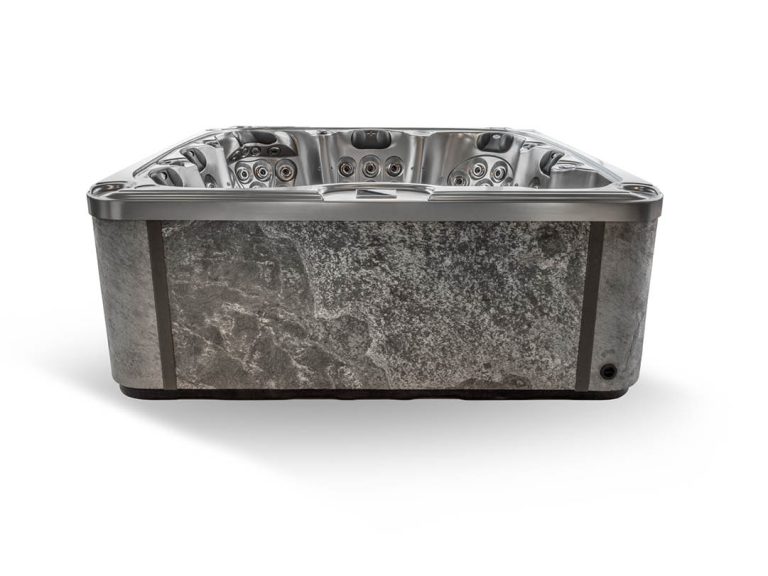
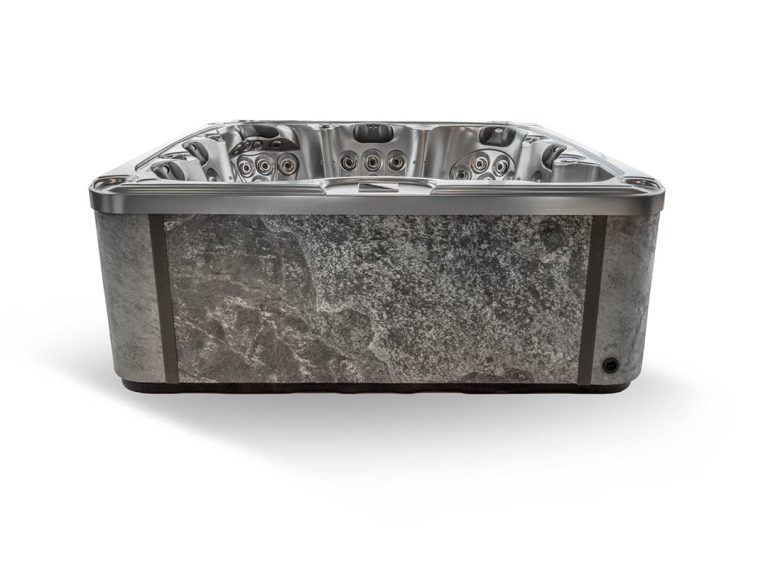
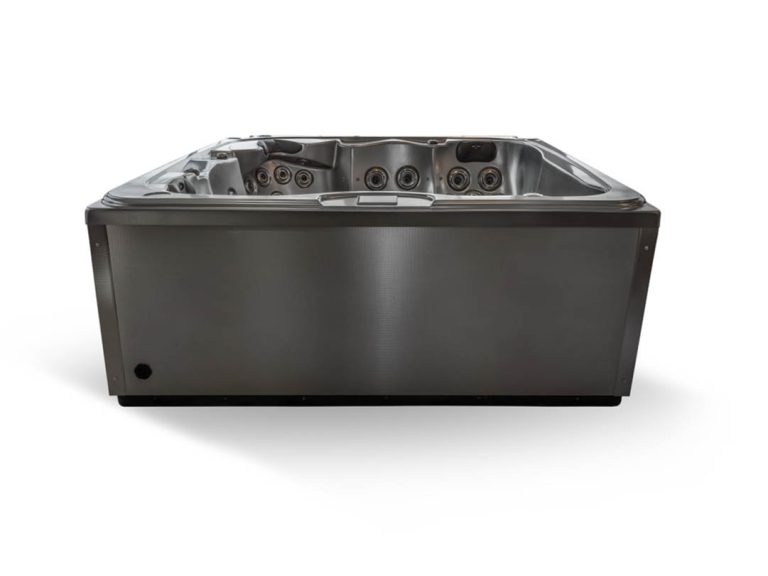
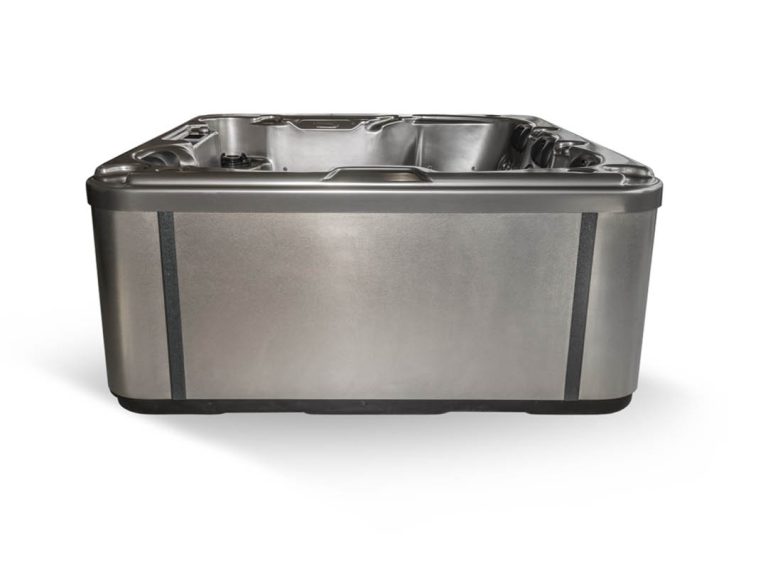
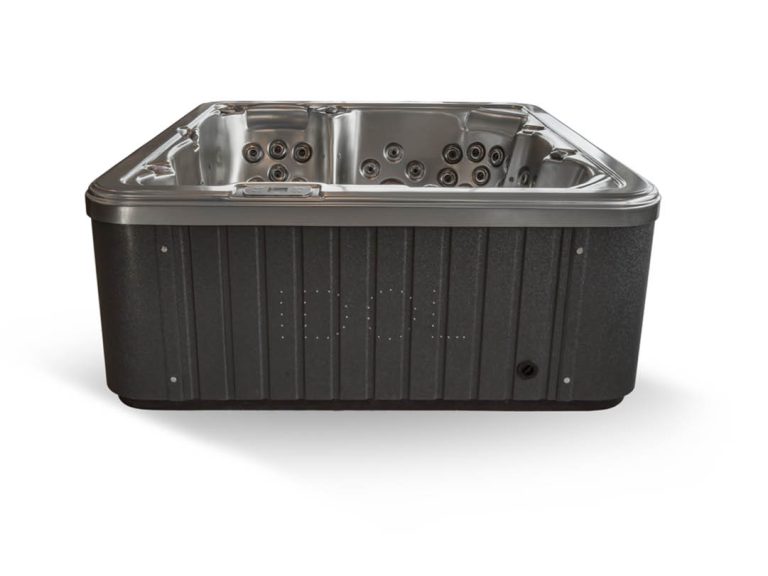
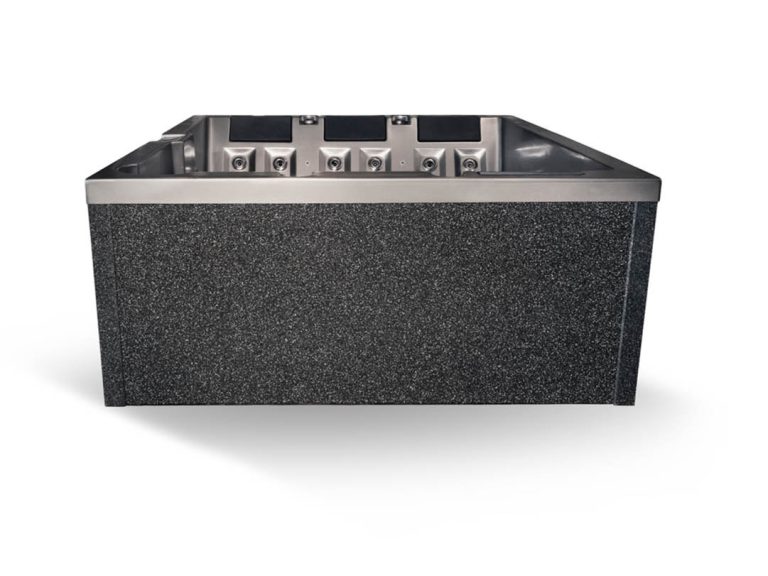
Models built for year-round use
What you need to prepare
The base. A level surface that carries the whirlpool full of water with people in it – around two tonnes for a six-seater. A concrete slab, paving on a compacted sub-base, or a terrace with sufficient load capacity. Details in Where to put a hot tub.
Power. A 400 V connection with its own breaker and an RCD, wired by a qualified electrician – that is a condition of both the warranty and your insurance.
Access. The whirlpool is delivered in one piece. We need a route at least 20 cm wider than the unit, and space for a crane or enough hands.
Frequently asked questions
Does the whirlpool have to run when I am not using it?
Yes, circulation and heating must run continuously. A whirlpool that is switched off freezes in frost and damages pumps and pipework. It can only be switched off after being completely drained and winterised.
How long does heating up take?
From zero to 37 °C takes roughly 12 to 24 hours depending on volume. In normal use the whirlpool holds its temperature and only tops up the losses, which is a matter of minutes.
There is snow on the cover - is that a problem?
The thermal cover is designed for snow. A layer over 30 cm should be cleared, especially wet snow. The cover is not a load-bearing structure and must not be walked on.